Let’s be real: our development stacks are getting heavy. We spend half our day fighting with configuration files and waiting for build tools to finish while our laptop fans try to take flight. While everyone is talking about the same three frameworks, there is a whole world of niche open-source projects that are quietly making life better for developers who just want to ship code.
I’ve put together a list of five tools that aren’t exactly “household names” yet, but they solve specific problems so well that you’ll wonder how you ever lived without them.
1. Biome: The Toolchain That Just Works
If you’ve ever spent hours trying to make Prettier and ESLint play nice together, you need to check out Biome. It is a high-performance toolchain written in Rust that handles both linting and formatting in a single tool. It is incredibly fast—I’m talking about formatting thousands of lines of code in the blink of an eye.
The best part? It doesn’t need a dozen plugins to understand TypeScript or JSX. It just handles them out of the box with zero fuss. It’s the kind of tool that makes you realize how much time we usually waste on setup.
Explore it here: Biome Official Site
2. PocketBase: A Backend in a Single File
We’ve all had that “great app idea” that died because the thought of setting up a database, authentication, and file storage felt like too much work. PocketBase is the solution. It is an open-source backend that fits entirely inside a single executable file.
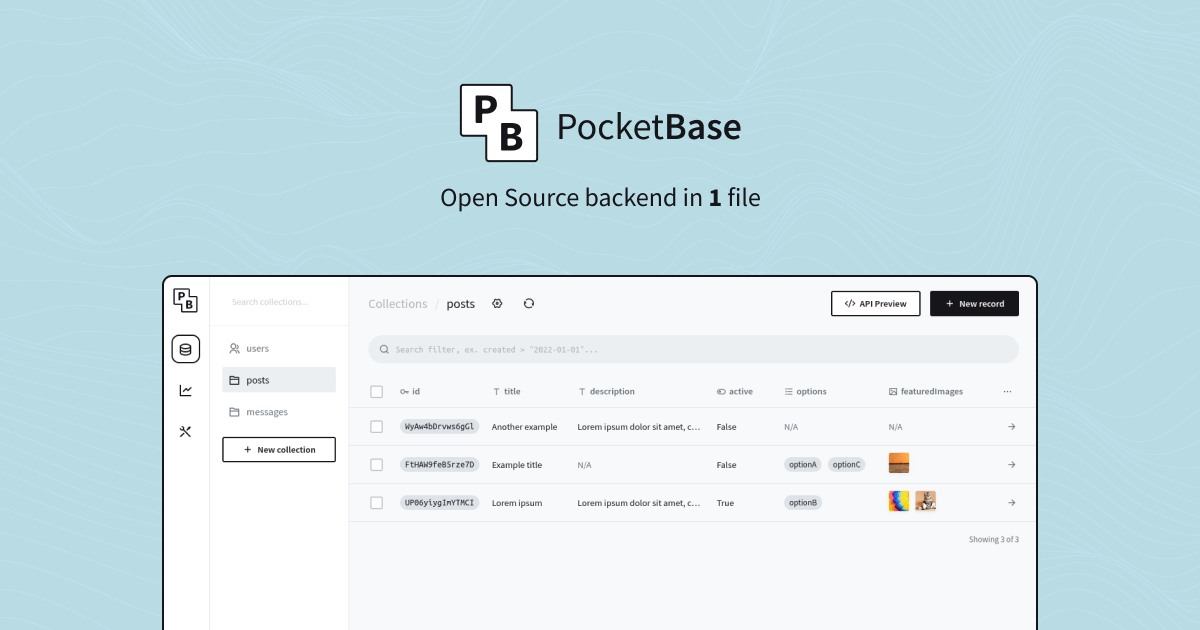
You get a real-time database, user authentication, and an S3-like file store with a clean web dashboard. It’s perfect for side projects or MVPs where you want to focus on the frontend without managing a complex backend infrastructure.
Check it out: PocketBase Home
3. Excalidraw: The Virtual Whiteboard for Human Beings
Diagramming shouldn’t feel like a chore. Most tools feel stiff and corporate, but Excalidraw has a “hand-drawn” feel that makes brainstorming feel more natural. It’s an open-source, end-to-end encrypted whiteboard that is perfect for sketching out logic or system architectures.

It’s collaborative and entirely free. I use it for everything from mapping out database schemas to explaining a weird bug to a teammate during a quick huddle. It’s the fastest way to turn a messy thought into a visual reality.
Start sketching: Excalidraw App
4. Hoppscotch: API Testing Without the Bloat
Postman used to be the go-to, but it’s become heavy and pushes paid features at every turn. Hoppscotch is the open-source alternative that keeps things focused. It lives in your browser, it’s blazing fast, and it doesn’t try to sell you a subscription.
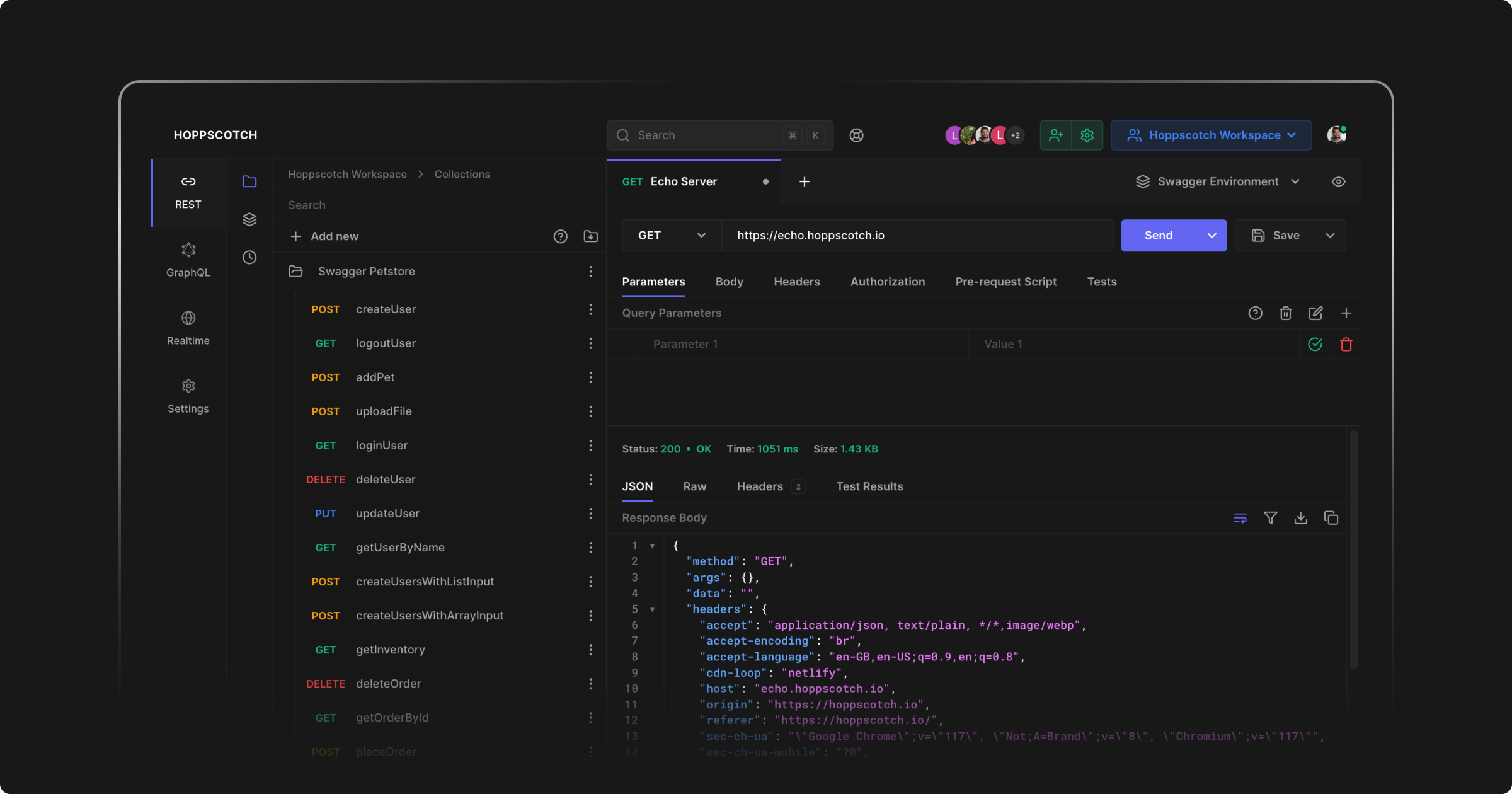
It handles REST, GraphQL, and WebSockets with ease. For a developer who just wants to test an endpoint and see a clean JSON response without waiting for a bulky application to load, Hoppscotch is a massive breath of fresh air.
Try the tool: Hoppscotch Website
5. Coolify: Your Personal “Vercel” for Self-Hosting
Deploying shouldn’t cost a fortune. If you are tired of paying “convenience fees” to big cloud platforms, you need Coolify. It’s an open-source, self-hosted platform that lets you manage your own servers with the same ease as Vercel or Heroku.
You can host your apps, databases, and services like WordPress with just a few clicks. It connects to your GitHub, automates your SSL certificates, and keeps everything running smoothly on your own cheap VPS. It’s the ultimate tool for taking back control of your infra.
Take control: Coolify Hub
Final Thoughts
The beauty of the open-source community is that people are constantly building tools to solve their own frustrations. Whether it’s the speed of Biome or the simplicity of PocketBase, these niche projects offer a better way to work. Give one of them a shot this week—I think you’ll find it’s the missing piece in your workflow.
Comments
There are currently no comments on this article.
Comment